Private Health Checks: A Comprehensive Overview
Introduction
In an era where health and wellness are paramount, private health checks have emerged as a powerful tool for individuals seeking proactive healthcare management. This in-depth article aims to explore the multifaceted world of private health assessments, offering readers a comprehensive understanding of their significance, applications, and potential impact on global health systems. By delving into various aspects, from historical foundations to technological innovations, we will uncover how these checks play a pivotal role in empowering individuals and shaping healthcare's future.
Understanding Private Health Checks: Unveiling the Basics
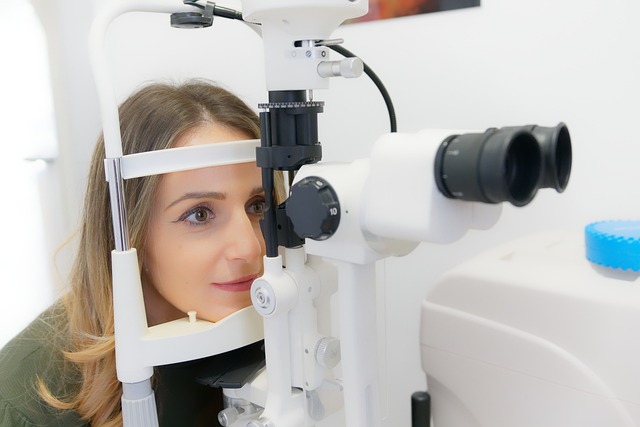
Private health checks, at its core, refer to voluntary medical assessments conducted outside of traditional healthcare settings. These evaluations go beyond routine physical examinations, offering a comprehensive analysis of an individual's overall health status. Typically, they include a wide range of tests and screenings designed to detect potential health risks, diseases, or conditions early on.
Historically, the concept has its roots in preventive medicine, where early detection and intervention are key strategies for managing chronic illnesses effectively. Over time, private health checks have evolved to incorporate advanced technologies and personalized approaches, making them more accessible and tailored to individual needs.
Core Components:
- Medical History Review: This involves discussing an individual's medical history, family background, lifestyle factors, and any existing health concerns with a healthcare professional.
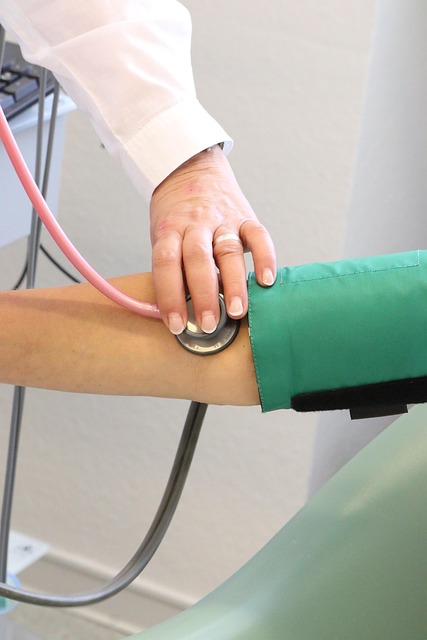
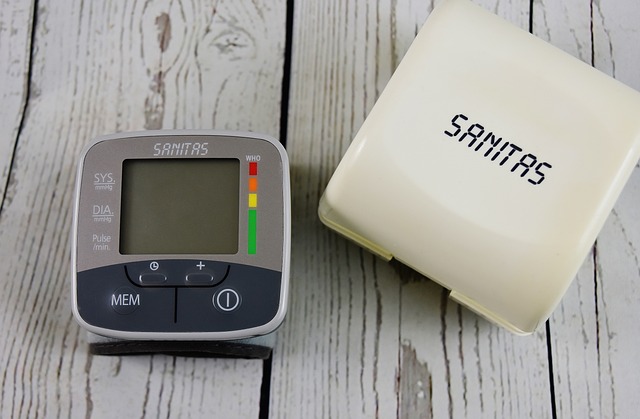
- Physical Examination: A thorough check-up covering vital signs (blood pressure, pulse, temperature), body measurements, and a general assessment of overall well-being.
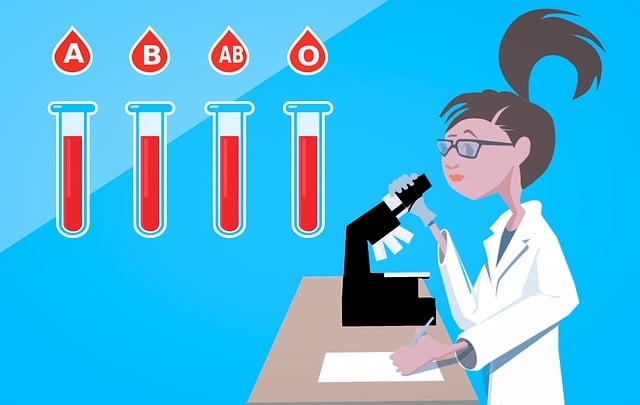
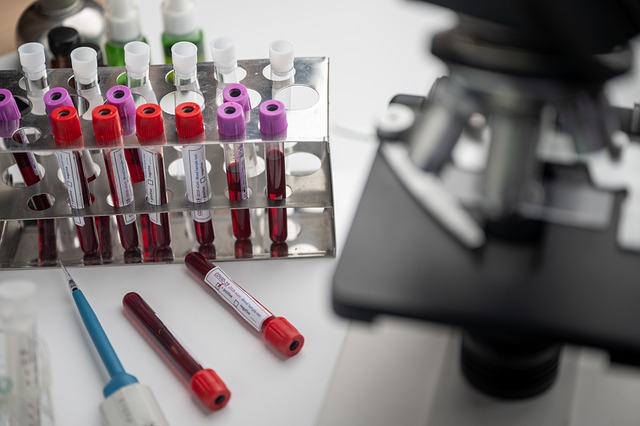
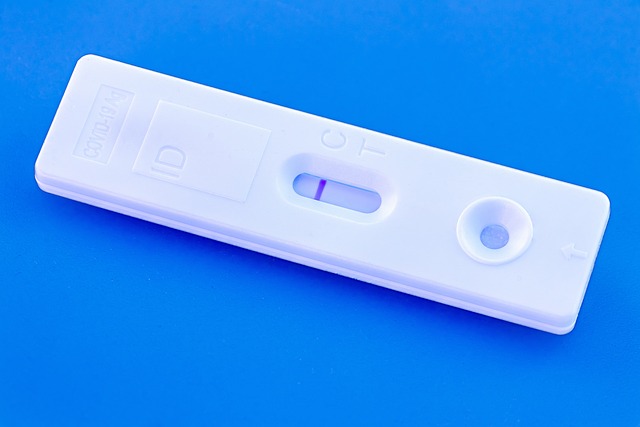
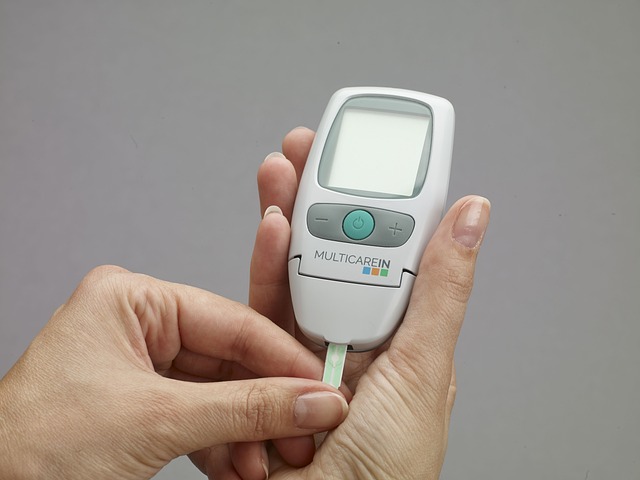
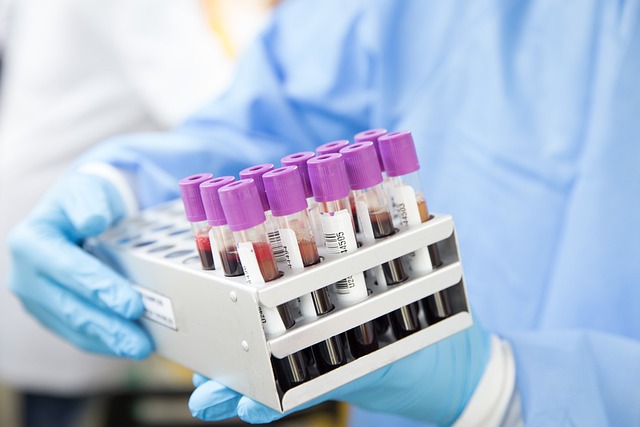
- Laboratory Tests: These include blood work, urine analysis, and other diagnostic tests to evaluate organ function, hormone levels, infectious diseases, and more.
- Imaging Studies: Such as X-rays, ultrasounds, or advanced imaging like MRI and CT scans, aiding in the detection of abnormalities or tumors.
- Screening Tests: Specific tests tailored to gender, age, or risk factors, such as cancer screenings (mammograms, colonoscopies), heart health assessments, and bone density scans.
- Genetic Counseling: For individuals at high risk due to genetic predispositions, this component provides guidance and support.
Global Impact and Trends: A World of Health Awareness
The influence of private health checks is a global phenomenon, with varying degrees of adoption and integration into healthcare systems worldwide. Key trends shaping this landscape include:
- Increasing Prevalence: In many developed countries, there's a growing trend towards preventive healthcare, driving the demand for private health assessments. According to a report by Market Data Forecast, the global preventive care market is projected to reach USD 367.2 billion by 2025, showcasing the rising interest in proactive health management.
- Regional Disparities: Access and uptake of private health checks vary significantly across regions. High-income countries generally have more robust infrastructure and higher rates of participation, while low-and middle-income nations often face challenges related to affordability and healthcare accessibility.
- Digitalization's Impact: The digital revolution has had a profound effect on this sector. Telehealth services, mobile health apps, and online platforms enable remote consultations, making health checks more accessible and convenient for individuals worldwide.
- Government Initiatives: Several governments are promoting private health checks as part of national health strategies. For instance, the UK's National Health Service (NHS) offers free health checks to certain age groups to prevent chronic diseases.
Economic Considerations: A Growing Market
The economic aspects of private health checks are multifaceted and contribute significantly to global healthcare dynamics.
- Market Dynamics: The market for these services is characterized by diverse players, including healthcare providers, diagnostic laboratories, insurance companies, and technology vendors. Competition drives innovation and improves service quality. According to a report by ResearchAndMarkets, the global health screening market size was valued at USD 164.5 billion in 2020 and is projected to grow at a CAGR of 7.8% from 2021 to 2028.
- Investment Patterns: Private equity and venture capital firms have shown significant interest in healthcare technology, including companies offering health checks. Investments are directed towards developing new technologies, expanding service offerings, and improving patient outcomes.
- Cost-Effectiveness: While private health checks may seem expensive upfront, they offer long-term cost savings by preventing severe illnesses and reducing the need for extensive treatments. A study published in The Lancet suggests that investing in preventive care, including regular health checks, can lead to substantial healthcare system savings.
Technological Advancements: Revolutionizing Private Health Checks
Technological innovations have been instrumental in transforming private health checks into a more efficient, accurate, and personalized process.
- Artificial Intelligence (AI) and Machine Learning: AI algorithms are being used to analyze medical data, interpret test results, and provide tailored recommendations. These technologies enhance diagnostic accuracy and enable early detection of at-risk individuals. For instance, AI-driven systems can identify patterns in genetic data to predict disease susceptibility.
- Wearable Devices and Telehealth: Wearable health monitors and fitness trackers have gained popularity, allowing individuals to track their vital signs and activity levels daily. Telehealth services enable remote consultations, making it convenient for patients to access healthcare professionals from the comfort of their homes.
- Advanced Imaging Techniques: The development of high-resolution imaging technologies like MRI and CT scans with artificial intelligence assistance improves disease detection and diagnosis accuracy.
- Genomic Testing: Advances in genomic sequencing technologies have made personalized medicine a reality. Genomic testing can identify genetic variations associated with disease risks, enabling targeted interventions and preventive measures.
Benefits and Challenges: A Balanced Perspective
Private health checks offer numerous advantages, but they also present certain challenges that must be addressed.
Benefits:
- Early Disease Detection: These checks enable the identification of diseases or conditions at an early stage when treatment is most effective.
- Personalized Medicine: With tailored assessments and genetic testing, individuals receive personalized recommendations for maintaining or improving their health.
- Convenience and Accessibility: The availability of telehealth services and online platforms makes it easier for people to access healthcare from anywhere.
- Empowerment: By taking an active role in their health, individuals can make informed decisions and take preventive measures.
Challenges:
- Affordability: Private health checks may be financially out of reach for some, creating a potential gap in access based on socioeconomic status.
- Interpretation of Results: Accurately interpreting test results requires expertise, and patients may need guidance to understand their implications.
- Privacy Concerns: With the collection and storage of sensitive medical data, ensuring patient privacy and data security is crucial.
- Regulatory Compliance: As technology advances, regulatory bodies must adapt to new challenges and ensure that innovations meet safety and efficacy standards.
The Future of Private Health Checks: A Personalized Approach
Looking ahead, private health checks are poised for further integration into healthcare systems worldwide, with a growing emphasis on personalization and technology.
- Personalized Profiles: Individuals will have access to comprehensive health profiles that integrate data from various sources, including wearable devices, genetic testing, and medical records. These profiles will guide personalized recommendations for lifestyle changes and preventive measures.
- Predictive Analytics: Advanced analytics will enable healthcare professionals to predict health risks and develop proactive interventions before diseases manifest.
- Integration with Digital Health Platforms: Online platforms will serve as hubs for managing health data, scheduling appointments, and providing educational resources, fostering a more connected healthcare ecosystem.
- Global Collaboration: The sharing of data and best practices across borders will enhance the effectiveness of these checks, especially in regions with limited resources.
Conclusion: Empowering Individuals, Transforming Healthcare
Private health checks have evolved from a niche practice to a critical component of global healthcare systems. By offering early disease detection, personalized medicine, and increased accessibility, they empower individuals to take control of their well-being. Technological advancements continue to shape this field, improving efficiency and accuracy while addressing challenges related to affordability and privacy.
As we move forward, the future of private health checks looks promising, with a focus on personalization, predictive analytics, and global collaboration. By embracing these innovations, healthcare providers can contribute to improved population health outcomes and enhance the quality of life for individuals worldwide.
April 1, 2025
Private health checks
Private health checks offer personalized, confidential screenings for early health issue detection........
Read more →
March 31, 2025
Private health checks
Private health checks are a proactive approach to monitor well-being, offering tailored specialized.......
Read more →
March 31, 2025
Private health checks
Private health checks are a proactive way to monitor overall well-being, offering comprehensive asse.......
Read more →
March 31, 2025
Private health checks
Private health checks are comprehensive evaluations offering vital insights into an individual'.......
Read more →
March 29, 2025
Private health checks
Private health checks are crucial for worry-free living, providing confidential assessments that off.......
Read more →
March 29, 2025
Private health checks
Private health checks are proactive, comprehensive assessments crucial for early disease detection a.......
Read more →
March 29, 2025
Private health checks
Private health checks revolutionize personalized healthcare by considering individual genetics, life.......
Read more →
March 28, 2025
Private health checks
Private health checks offer a tailored, proactive approach to wellness management, providing compreh.......
Read more →
March 27, 2025
Private health checks
Private health checks offer a personalized and confidential approach to wellness assessment. Conduct.......
Read more →
March 24, 2025
Private health checks
Private health checks revolutionize healthcare by offering personalized profiles integrating genetic.......
Read more →
March 24, 2025
Private health checks
Private health checks are a proactive way to monitor and maintain overall well-being, providing comp.......
Read more →
March 24, 2025
Private health checks
In the digital healthcare landscape, private health checks are crucial for protecting patient data a.......
Read more →
March 24, 2025
Private health checks
Private health checks are comprehensive evaluations that go beyond routine exams, offering individua.......
Read more →
March 22, 2025
Private health checks
Privacy is paramount in healthcare, especially for private health checks, where digital storage of s.......
Read more →
March 22, 2025
Private health checks
Private health checks offer a personalized, comprehensive approach to wellness, focusing on unique g.......
Read more →
March 22, 2025
Private health checks
In a fast-paced world, private health checks offer convenient, accessible, and digital solutions for.......
Read more →
March 22, 2025
Private health checks
Private health checks are gaining popularity for their offer of discreet, proactive healthcare manag.......
Read more →
March 21, 2025
Private health checks
Private health checks offer advanced, personalized wellness evaluations using comprehensive screenin.......
Read more →
March 21, 2025
Private health checks
Private health checks provide a personalized, comprehensive approach to wellness, going beyond routi.......
Read more →
March 21, 2025
Private health checks
Private health checks are transforming healthcare by providing individuals with detailed insights in.......
Read more →
March 21, 2025
Private health checks
Private health checks offer a peaceful, discreet way to assess overall well-being, appealing to thos.......
Read more →
March 20, 2025
Private health checks
In a fast-paced world, private health checks are essential tools for managing wellness proactively........
Read more →
March 20, 2025
Private health checks
Private health checks revolutionize wellness by offering personalized, comprehensive insights beyond.......
Read more →
March 20, 2025
Private health checks
Private health checks empower individuals to take control of their well-being through comprehensive,.......
Read more →
March 18, 2025
Private health checks
Private health checks are proactive healthcare management tools offering comprehensive assessments n.......
Read more →
March 18, 2025
Private health checks
Private health checks are valuable for assessing overall well-being, enabling proactive healthcare t.......
Read more →
March 18, 2025
Private health checks
Private health checks offer personalized, comprehensive evaluations beyond standard medical exams, f.......
Read more →
March 17, 2025
Private health checks
Private health checks are comprehensive, personalized assessments going beyond routine check-ups, fo.......
Read more →
March 17, 2025
Private health checks
Private health checks offer a confidential, comprehensive way to evaluate overall wellness, covering.......
Read more →
March 17, 2025
Private health checks
Private health checks are a game-changer in modern healthcare, offering individuals convenient, acce.......
Read more →
March 17, 2025
Private health checks
Private health checks are a proactive step towards optimal wellness, offering personalized insights.......
Read more →
March 16, 2025
Private health checks
Private health checks offer a detailed, confidential evaluation of overall wellness, including compr.......
Read more →
March 16, 2025
Private health checks
In the digital age, private health checks are a crucial tool for protecting sensitive health data. T.......
Read more →
March 16, 2025
Private health checks
Private health checks are a game-changer in healthcare, offering personalized assessments that consi.......
Read more →
March 14, 2025
Private health checks
Private health checks offer a proactive, comprehensive approach to wellness, screening various physi.......
Read more →